Milled-titanium private-vault fintech reveal
OBSIDIAN (Concept)
24 sec · 16:9measured from the file above
The concept behind this finance brand film
Premium fintech brand film — OBSIDIAN is built around the feel of milled titanium and a private vault: restraint as status. Light rakes across machined surfaces, type is set with banking-grade discipline, and the motion is deliberate rather than busy: this is money that does not need to shout. It is the register for a private bank, a wealth platform or a high-trust financial product, where the brand has to read as discreet and engineered at once.
The world is distinct from every other domain film on this site — its own palette, its own light, its own pace — because we reuse the engine, never the look. A self-initiated concept piece, shown the way a studio shows spec work. OBSIDIAN is a fictional concept brand for this demonstration.
A premium fintech brand film that puts the qualifier on the spec panel
The card is milled rather than printed, and the film opens on it alone: a chip, a vault reference, a wordmark cut into a dark face that holds a single raking highlight, and a row of fine teeth along the bottom edge. That serration is the best idea in the piece, because it comes back. When the transaction scene arrives, the ledger tape running along the foot of the frame is cut with the same saw-tooth profile, and the card holds directly above it with its milled edge meeting the tape’s top rule — amounts posting across the strip while currency codes and clearing states drift in a layer behind the object. Be precise about it, since precision is what the film is selling: it is a rhyme rather than a mechanism. The tape’s teeth are several times coarser than the card’s notches and the two sets are not registered to each other, and the card does not travel into the strip — it arrives at its position and stays there. What the rhyme buys is still real. A fintech film normally cuts between a beautiful product shot and a beautiful interface shot and trusts the viewer to join them; this one gives the object and the data the same edge, so the join is something you can see instead of something a voice-over asserts.
The restraint is not just a mood, it is doing category work. There is no photography, no lifestyle, no hands and no phone — a private-banking register cannot use the cheerful stock vocabulary of consumer finance without immediately reading as consumer finance. What replaces it is precision in the captions. The contactless chapter prints the number of the standard it is claiming rather than the word contactless on its own, and states that the transaction posts to the ledger instantly. The running head changes with each chapter and keeps a reference index, so the film reads as a set of numbered exhibits rather than as a sequence of moods. The mass on the spec panel counts up to its value in front of you instead of arriving as a finished figure, which is a small thing that says the number was measured rather than styled.
The closing exhibit is where the piece earns the register. It is a spec panel of three rows — the body and how it is machined, the net mass, the cross-border markup — and each row carries a sub-line that does the actual work: felt, not claimed under the mass; over interbank rate, no hidden spread under the markup. The head above it has already stopped reporting state and reads facts, not hype. Then, directly beneath the panel and inside the same frame, the film prints that these are engineering facts only, that nothing in them is fabricated, and that the piece is concept work. That placement is the lesson, and it is exactly the decision the cosmetics range film does not make, where four product claims sit on a plate and the qualifier waits for the end card. Here the wait is a beat rather than a chapter — the panel is up first and the line arrives underneath it a second or so later — and the concept label is also riding in the running head above, which holds from shortly after the opening through to the end of that panel. OBSIDIAN is a fictional brand, and every specification the film prints, from the opening card onward, is illustrative.
More brand film work from the studio
Blue Snow Developers makes the finance work here the way it makes everything — by hand, from real material, in one engine. Browse every finance piece in the portfolio, see how the studio makes brand films, or what the studio makes and how a project runs, or read the studio’s own identity system — the design tokens, type scale and motion rules behind OBSIDIAN (Concept) and everything else here. When the brief is clear, talk to us about a brand film.
This piece also sits on the studio's finance industry page — how the studio makes finance and fintech video, with the rest of the work in that sector alongside it.
OBSIDIAN (Concept) is filed under finance. Read next: what a product engineer actually does, the rest of the studio's field notes, and the engineer who builds sites and films.
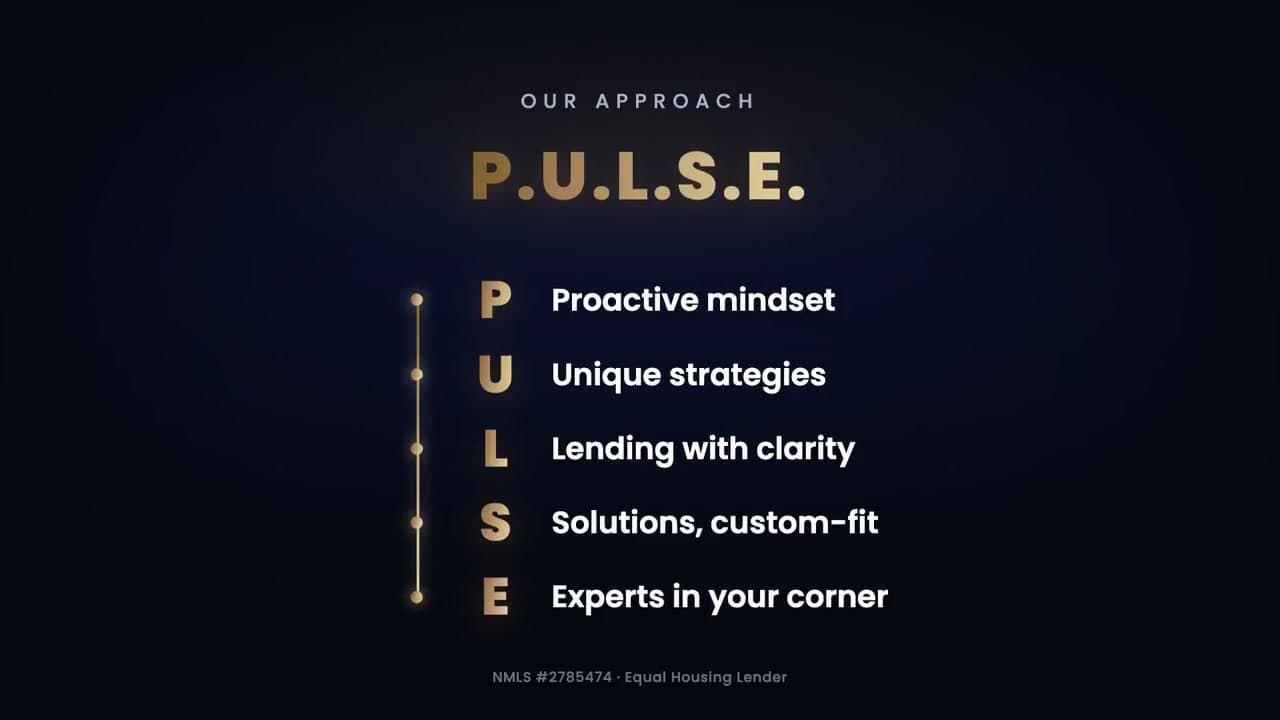
Pulse Mortgage
Brand promo for a real mortgage client
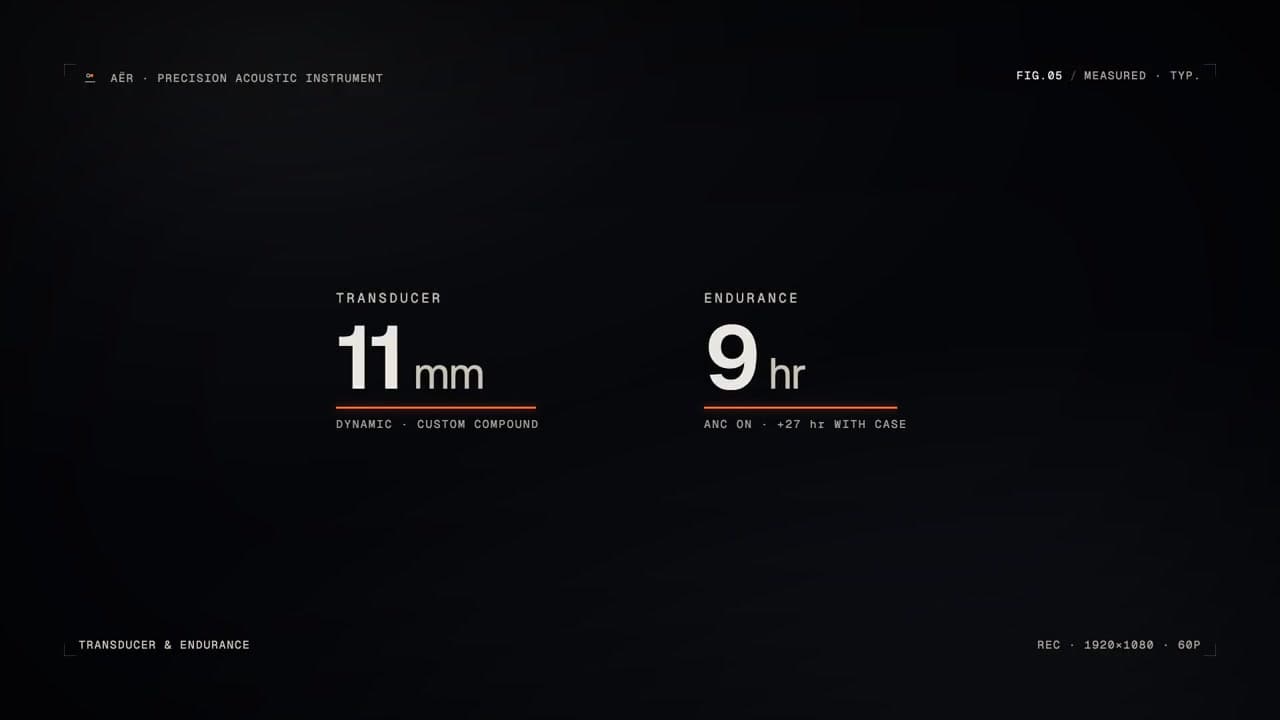
AËR (Concept)
Precision-instrument product reveal + the full brand system from one brief
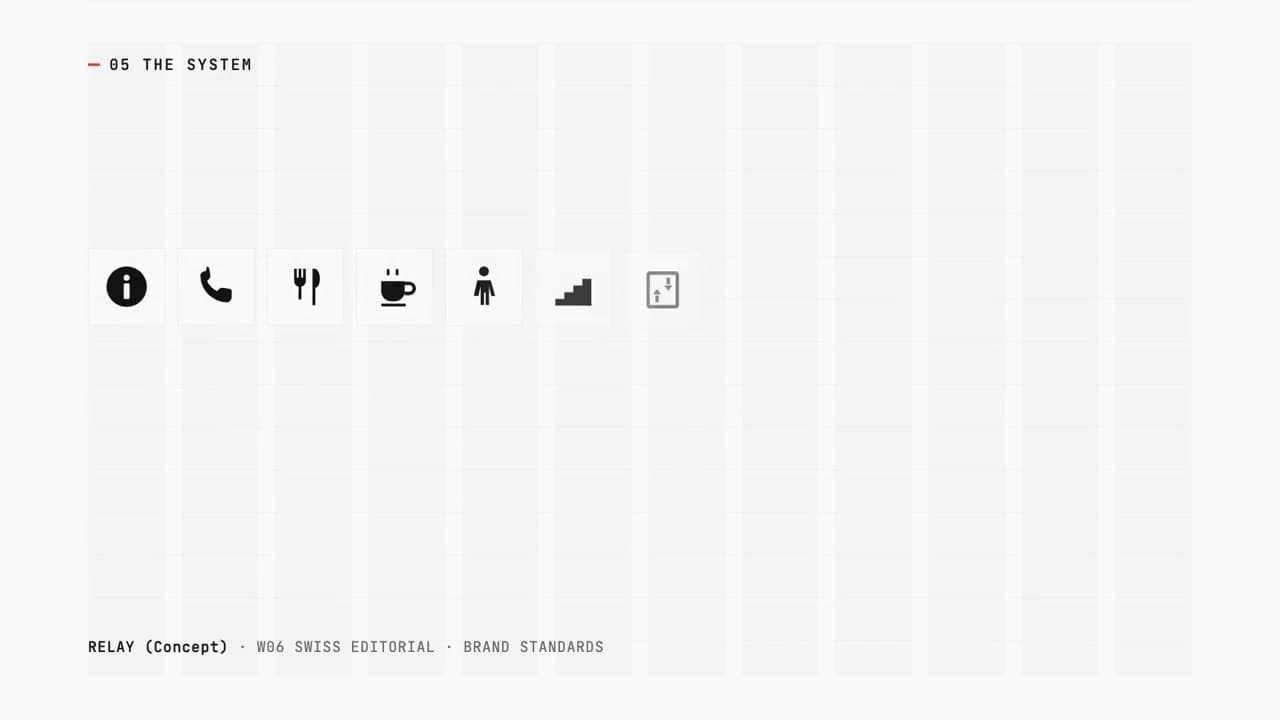
RELAY (Concept)
Brand book, logo and film from one token source
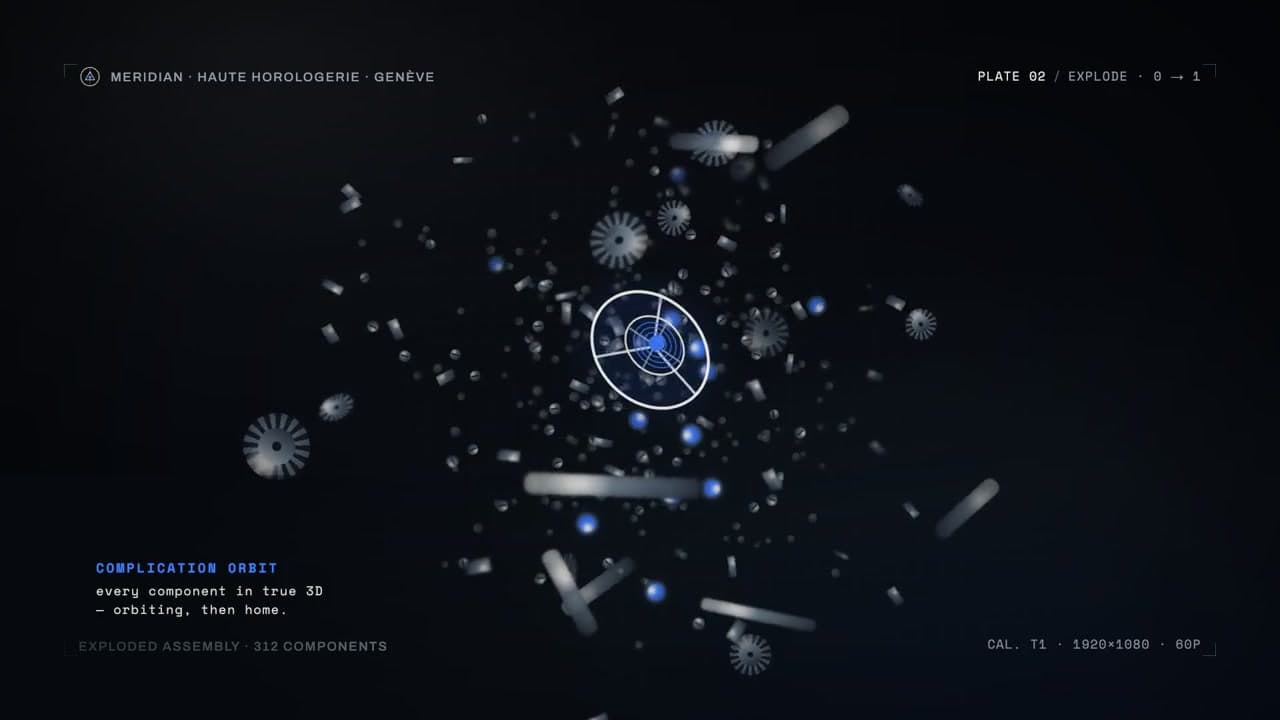
MERIDIAN T1 (Concept)
True-3D exploded-assembly turntable
APOGEE (Concept)
True-3D orbital mechanics and ground track
FLUX (Concept)
Liquid-morph cosmetics film