Seven Hills, OH · Greater Cleveland
Video production in Cleveland, Ohio
The short answer
Blue Snow Developers is a founder-direct studio in Seven Hills, OH, in Cuyahoga County. It makes brand films, promos, explainers and data video from your footage, photos and data — 22 pieces are published here — plus the websites and apps around them, and you can meet the founder in person.
We build films the way software is built — designed, written and rendered — from what you already have: your footage, your photos, your figures and your brand. That makes a film easy to change, to re-cut for every platform and to render again next quarter. And because the same person builds websites and apps, the film and the page it sends people to can come from one place.
Films built from what you already have
Most businesses already hold the raw material: phone footage of the work, product photos, a logo, a spreadsheet of figures. We turn that into a finished film — your own footage cut and composed, type that moves because somebody specified how, charts built from your real numbers — and render it in every size you need, from a wide cut for your site to a vertical for the feed.
We don’t film on location. If a film needs new footage — a founder to camera, a chef at the pass, a line running on a shop floor — you shoot it on a phone or bring in a local videographer, and we build the film around it. If what you need is a product explained, a number made legible, or the same piece built correctly for eleven neighbourhoods, it can be made entirely from design and data. What the studio makes and how a project runs sets out the whole range in one page.
Websites and apps from the same studio
A film usually points somewhere: a booking page, a store, a sign-up form. Blue Snow Developers builds those too — websites and online stores, web and mobile apps, AI features and the connections between your tools — so the film and the page it sends people to are designed to match, and one person answers for both. Web design in Cleveland sets out that side of the studio. What a small business website costs in Cleveland is written up with market figures and their sources.
Everything published here is labelled for what it is. There are 22 pieces published here: the films for our real film client, Pulse Mortgage, carry the company's name, and the rest are self-initiated studio work, each carrying (Concept) in its title, its share preview and the name a screen reader reads out. The rules this site holds itself to when it publishes a claim are published too.
Based in Seven Hills, and happy to meet
Blue Snow Developers is registered and works from Seven Hills, OH, an incorporated city of its own in Cuyahoga County, inside the Greater Cleveland metro. The city on this website's address is the city the work happens in.
Being local buys a shared working day, a brief talked through in one sitting rather than three overnight emails, and the chance to meet the person doing the work — at your office or over coffee — before you commit to anything. The founder read engineering at Cleveland State, and the company is named for the way it snows here. The engineering years behind the studio are set out one job at a time.
What a business here might order first
Four pieces below, chosen because a local business is likelier to recognise its own problem in them than in a titanium fintech film. One sourced number, made readable on a phone where your customers scroll. A restaurant that has to make you feel the room before you read a word. A roaster whose product photographs well and explains badly. And a format that has to exist once per location rather than once. All four are concept work, built to our own brief, and each is labelled as such — see every piece in the library, filtered by what it is and who it was for for the rest.
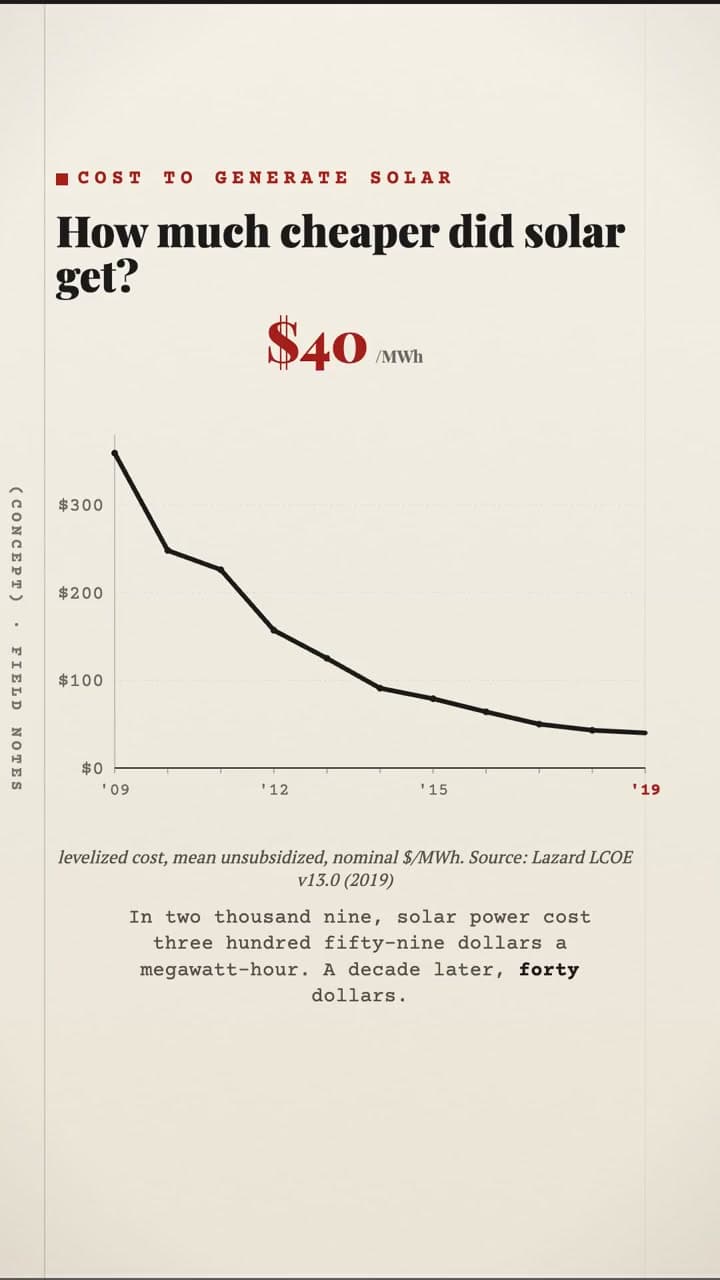
Field Notes (Concept)
SaaS & tech · 9:16 vertical cited micro-fact drop — data journalism, one true number a day
9:16
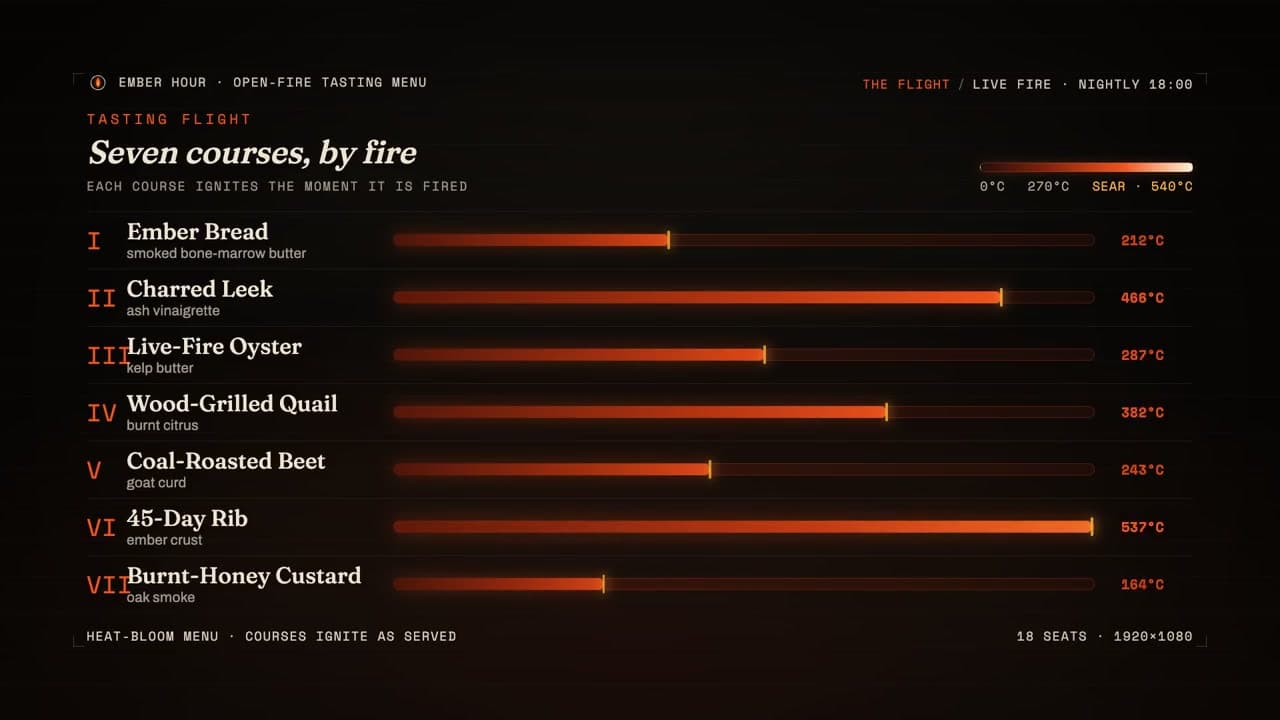
EMBER HOUR (Concept)
Food & beverage · Open-fire hospitality tasting-menu film
16:9
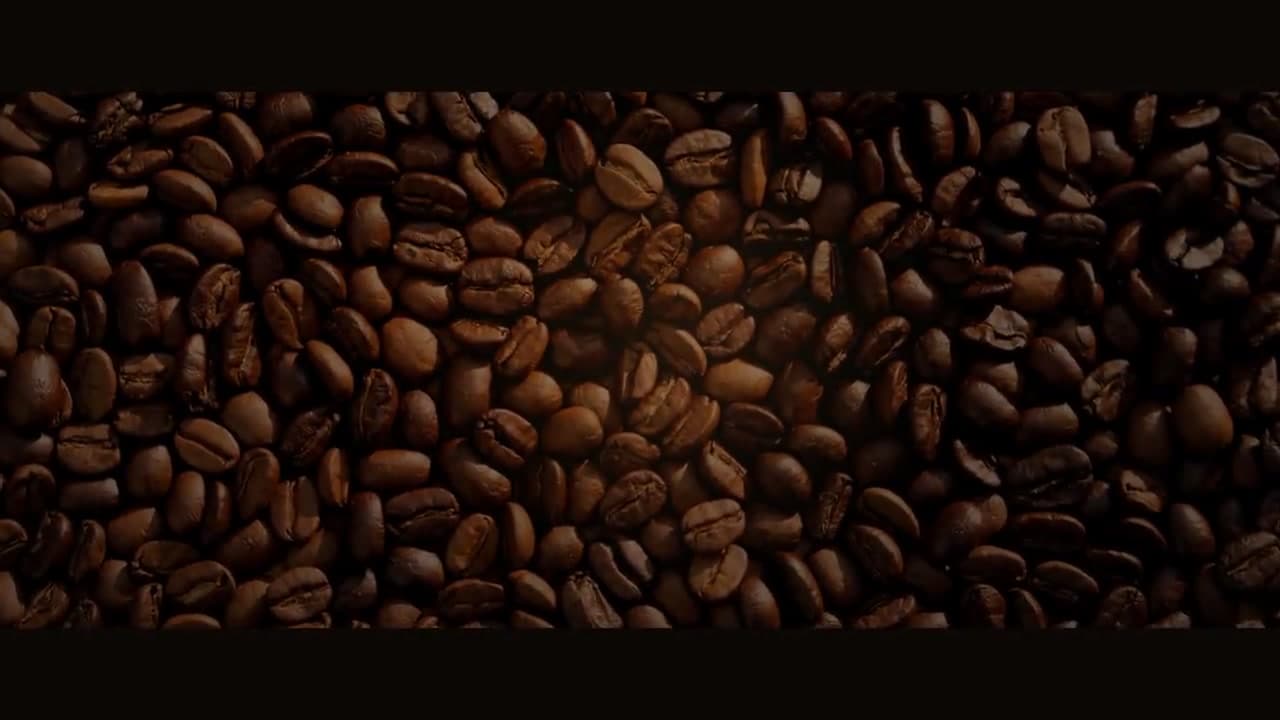
Northwoods Roastery (Concept)
DTC & e-commerce · Full coffee-brand film — warmth and tactility, engineered underneath
16:9
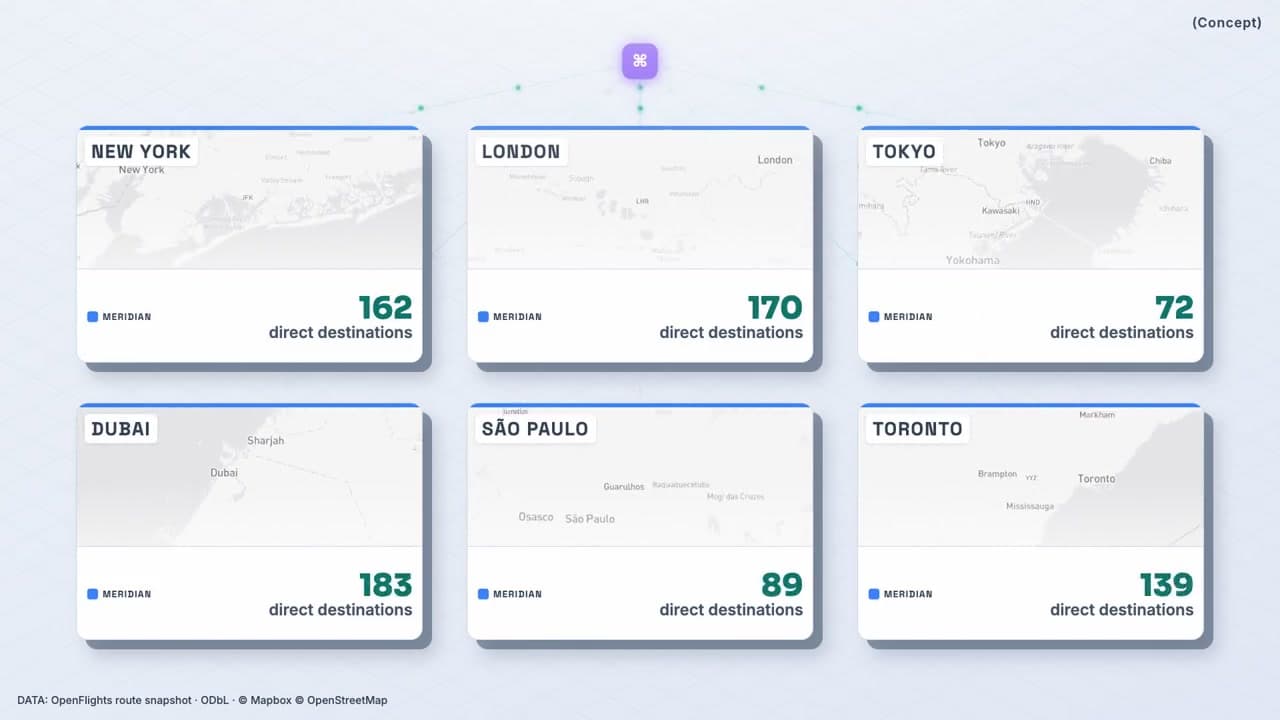
Index Card (Concept)
Real estate · One composition rendered for every city, the brand layer locked
16:9
Our real film client, and what the work shows
Pulse Mortgage is a real lender with real brand rules and real compliance constraints, and it asked for two things: a brand promo and a repeatable market-update format. Both were built and delivered, and both are published under the company's own name — which is the part that matters, because a business putting its name on a film is a different signal from a studio putting a film in a reel. The promo carries its disclosure inside the composition rather than on an end card, so a regulated advertiser can correct a line with a re-render instead of a reshoot. The market-update format is a vertical data read whose every figure is a dated public primary source — Freddie Mac's weekly rate survey and U.S. Treasury yields, pulled by this studio and carried with the date they were pulled. They are not the client's private numbers, and this page will not imply that they are.
What it shows is that the work holds up for a business with a compliance process of its own, and the same approach suits any business here whose films have to be exact. The same craft applied to money and regulation is collected on the finance and fintech page.
One composition, every neighbourhood you operate in
A dental group with nine offices, a dealer with six lots, a title agency working eleven suburbs — every one of them has the same problem, and it is the problem a day rate is worst at solving. Shooting once and captioning the address eleven times is not eleven films; shooting eleven times is eleven day rates. Because a film here is a composition rather than a finished timeline, the same build can be rendered against a list: the layout, the pacing and the brand rules hold, and only the data moves. Index Card (Concept) is that idea shown rather than described — one composition, a plate per city, every variant deterministic and identical in build.
Determinism is the unglamorous half and it is the half that makes this trustworthy at volume. The same input returns the same frames, on any machine, in a year — so the hundredth plate is assembled exactly like the second, with no drift and nobody hand-finishing the tail of the batch at midnight. That is also why this studio can publish a claim like "no frame is AI-generated" and mean it structurally: a generative model cannot hand you the same output twice, and a brand asset you cannot reproduce is not an asset. The same engine drives ad creative fanned out across many markets and data-driven video built from your figures.
The formats, in the words people here use for them
“Video production” covers half a dozen jobs that share almost nothing except a file extension, and picking the wrong one is the commonest way a budget gets wasted in this market. A brand film is the piece that says who you are, once, well. A promo built for the feed is the short vertical that has to work with the sound off. An explainer made in motion graphics is for the thing nobody buys until they understand it. And a logo animation or motion identity is the two seconds that top every one of the others.
If none of those is obviously yours, that is normal and it is not your job to know. The useful conversation starts from what has to happen after somebody watches — a booking, a call, a form, a room full of people at an opening — and works backwards to the format. Where the answer needs new footage shot, we will say so up front and plan the film around it. The field notes are where the reasoning behind this gets written down, including what small-business web work actually costs in Cleveland.
Who you actually deal with, and what you keep afterwards
One person reads the brief, writes the code, cuts the frames and answers the email, and that is the whole org chart. There is no account manager translating your industry into a creative brief and back again, which removes the layer most of the misunderstanding lives in, and a question about your project reaches whoever is building it. Tell us what you are making and it reaches the founder, not a queue.
What you keep is worth stating plainly, because "built as code" can sound like a lock-in and is meant to be the opposite. You get the rendered masters in the ratios you use, and you get the source they were built from. A changed headline, a corrected figure, a new ratio for a platform that did not exist last year — each is a re-render rather than a new production, and it stays that way whether or not this studio is the one doing it. Nothing is withheld to guarantee a second engagement.
What to ask a video studio before you hire one
Do you work with businesses in Cleveland and Northeast Ohio?
Yes. The studio is in Seven Hills, Ohio, its own city in Cuyahoga County inside Greater Cleveland, and it works with businesses here and anywhere else. You can meet the founder in person, talk the brief through in one sitting, and see a free watermarked sample built from your own brand before you commit to anything.
Do you film on location?
No, we don’t film on location. We build films from footage and photos you already have, from footage a local videographer shoots for you, or entirely from design and data — type, motion, illustration and your real figures, rendered to frames. If a film needs new footage, we say so up front and plan the film around it.
Can you use our own footage, photos and data?
Yes, and that is the usual starting point. Phone footage of your work, product photos, your logo and a spreadsheet of figures are enough to build from. We cut and compose your footage, set the type, build charts from your numbers and render every size you need, so the same film runs on your site, in the feed and on a screen in the shop.
Do you build websites and apps too?
Yes. The same studio builds websites and online stores, web and mobile apps, AI features and the connections between your tools, so a film and the page it sends people to are designed to match. Small jobs are welcome, and every project is quoted to your need with a fixed price for an agreed scope before any work starts.
We run several locations around Northeast Ohio. Can each one get its own cut?
Yes, and it is the case this way of working suits best. A film built as a composition can be rendered against a list — one plate per suburb, per branch, per market — with the layout, pacing and brand rules fixed and only the data changing between versions. Index Card (Concept) shows the method: one composition, every city, every version identical in build. The hundredth cut is assembled the same way as the second.
What kind of video does a local business usually need first?
Most often a short vertical promo, because that is where a local audience actually scrolls, built vertical from the first frame rather than cropped from a wide edit. After that it tends to be an explainer, where what you sell needs explaining before it can be wanted, or a recurring data format where you publish numbers your customers are already waiting on.
Is any of this AI-generated?
No model draws a frame of it. The pictures are produced by hand-written code and rendered deterministically, which is why the same build returns the same film instead of a fresh interpretation every time it runs. One ingredient is synthetic, and naming it is better than letting you discover it: where a film here speaks, the script is read by a text-to-speech engine rather than performed by an actor. No voice is cloned from a real person, and a promo ships without narration unless you ask for it.
Who owns the film, and what do we actually receive?
You do, once it is paid in full, and you receive both halves: the rendered masters in the ratios you use, and the source the film is built from. A changed headline or a corrected figure is a re-render rather than a fresh production, and nothing is held back to guarantee a second engagement.
See your own brand first
A concept film shows the method. Your own brand is the real test, because it already exists and it has to survive the treatment. Send the name and the address it lives at, and if there is capacity that week it comes back as a watermarked study built from your real colours and type. It costs nothing and commits you to nothing, and it is a faster answer than any meeting about a meeting.
Written by Baljeet Aulakh, who builds every piece in this portfolio, from Seven Hills, OH. Last updated . No AI-generated frames.