Open-fire hospitality tasting-menu film
EMBER HOUR (Concept)
24 sec · 16:9measured from the file above
The concept behind this hospitality brand film
Hospitality brand film for a restaurant or premium food brand — EMBER HOUR is flame, smoke and the heat of a tasting menu. It is lit in the warm low light a restaurant lives in after dark, and it is the register for hospitality and premium food-and-beverage, where the film has to make you feel the room before you read a word. The craft is in the texture: embers that read as embers, food lit to look handled rather than styled, a pace that matches the slow theatre of a chef's table.
It is one of the warmest worlds in the fleet and a deliberate contrast to the cool, engineered domains — the same studio, a completely different appetite. A self-initiated concept piece, shown as studio spec work.
A hospitality brand film where the tasting menu doubles as a heat chart
A restaurant film is normally flame, hands and slow plating, and the whole pitch is atmosphere. This one puts a document on screen. The tasting flight arrives as a full menu plate — courses numbered in roman, each with its name and the line under it that names the garnish, and beside every course a bar with its own temperature printed at the end of it. Up in the corner of the plate sits a short legend running from zero to the sear point — a key rather than an axis: the bars share its scale, not its position. The bars are not decoration, and this is the part worth checking us on. The course at the sear end runs its bar to the end of the track, the coolest stops around three-tenths of the way along, and every bar between them lands where its own printed temperature says it should — measure the tips against that scale and all seven land within about half a percent of the track length. Somebody drew that chart to the numbers on the film where nobody would ever have checked. Two honest caveats for anyone who does check: the readouts drift a degree or two frame to frame as they settle, so two screenshots of the same dish will not give identical figures; and the plate fills in service order rather than all at once, which is what the caption low in the frame means when it says the courses ignite as they are fired.
There is no food photography anywhere in it. The hero course is a drawn still life: a dark plate ringed in ember orange, the cut resting in it under a sprig, held in a pool of light with smoke lifting off the top of the frame and the descriptive copy set opposite in the left half of the plate. Understanding that trade is the point of reading this page before commissioning the register. A film built this way has no shoot day, no food stylist and no chance that the dish on screen is the one the kitchen stopped serving last month, and it can be re-rendered when the menu turns. What it cannot do is show the actual room or the actual plating — the type, the heat and the light are carrying the appetite here, so for a real venue this is the poster, not a replacement for a photographer.
The last movement is where a hospitality film usually starts inventing. It ends instead on a room plate — the seat count, the course count, one seating a night — under a line saying the same thing in plain words, and the course count agrees with the numbered rows you were just shown. It is scarcity assembled out of stated facts rather than out of claimed demand, which is the honest version of the only story a small dining room has to tell. Then the sign-off card says the rest outright: studio spec work, a concept piece, the menu and craft facts illustrative, with zero fabricated reviews or demand claims. To be plain on this page too: the restaurant, its menu, its service time and its reserve button are invented for this concept. The private-vault fintech film shows the other way to carry a concept line, in the running head through the working chapters. The refusal itself is still worth the card it is printed on. That last phrase is doing category-specific work — an invented star rating, an invented waiting list or an invented critic’s line costs nothing to mock up and is the standard way this genre lies. The game reveal prints the same kind of refusal on its own closing card about invented review quotes and scores. Naming the lie your category tells is free, and it is the rare claim that gets stronger the harder it is looked at.
More brand film work from the studio
Blue Snow Developers makes the food & beverage work here the way it makes everything — by hand, from real material, in one engine. Browse every food & beverage piece in the portfolio, see how the studio makes brand films, or what the studio makes and how a project runs, or read the studio’s own identity system — the design tokens, type scale and motion rules behind EMBER HOUR (Concept) and everything else here. When the brief is clear, talk to us about a brand film.
EMBER HOUR (Concept) is filed under food & beverage. Read next: what a product engineer actually does, the rest of the studio's field notes, and the engineer who builds sites and films.
Northwoods Roastery (Concept)
Full coffee-brand film — warmth and tactility, engineered underneath
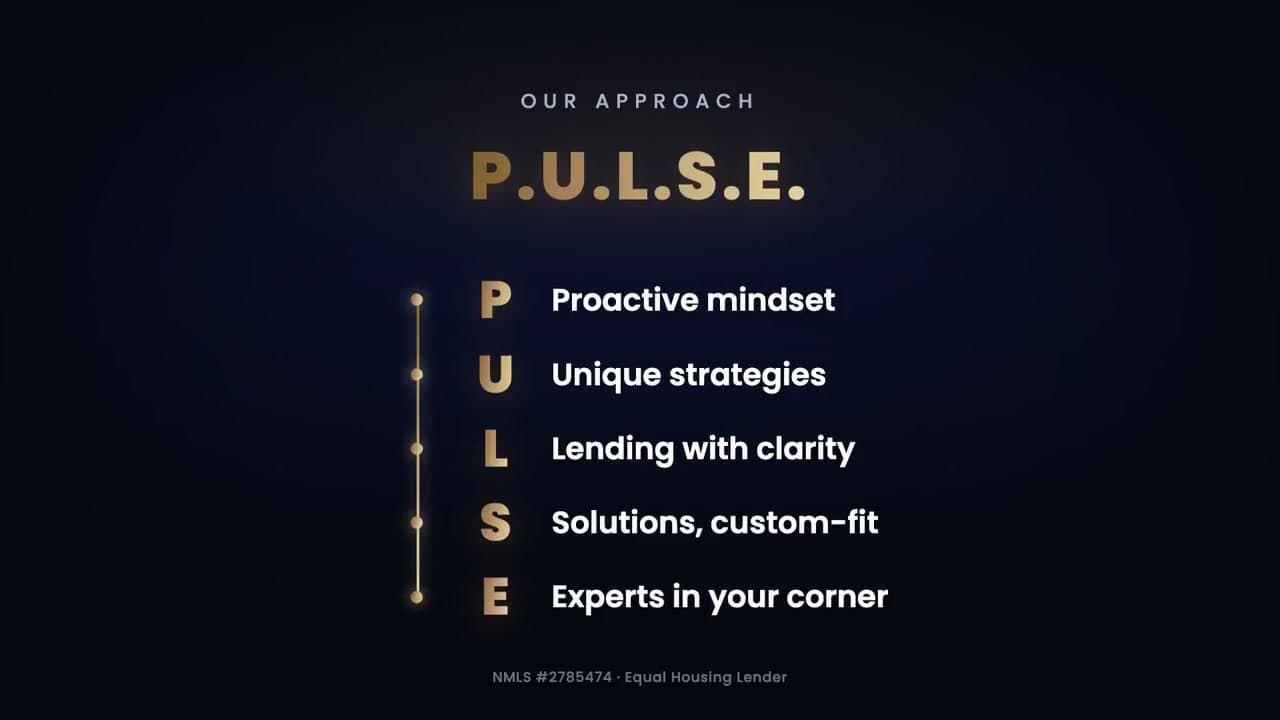
Pulse Mortgage
Brand promo for a real mortgage client
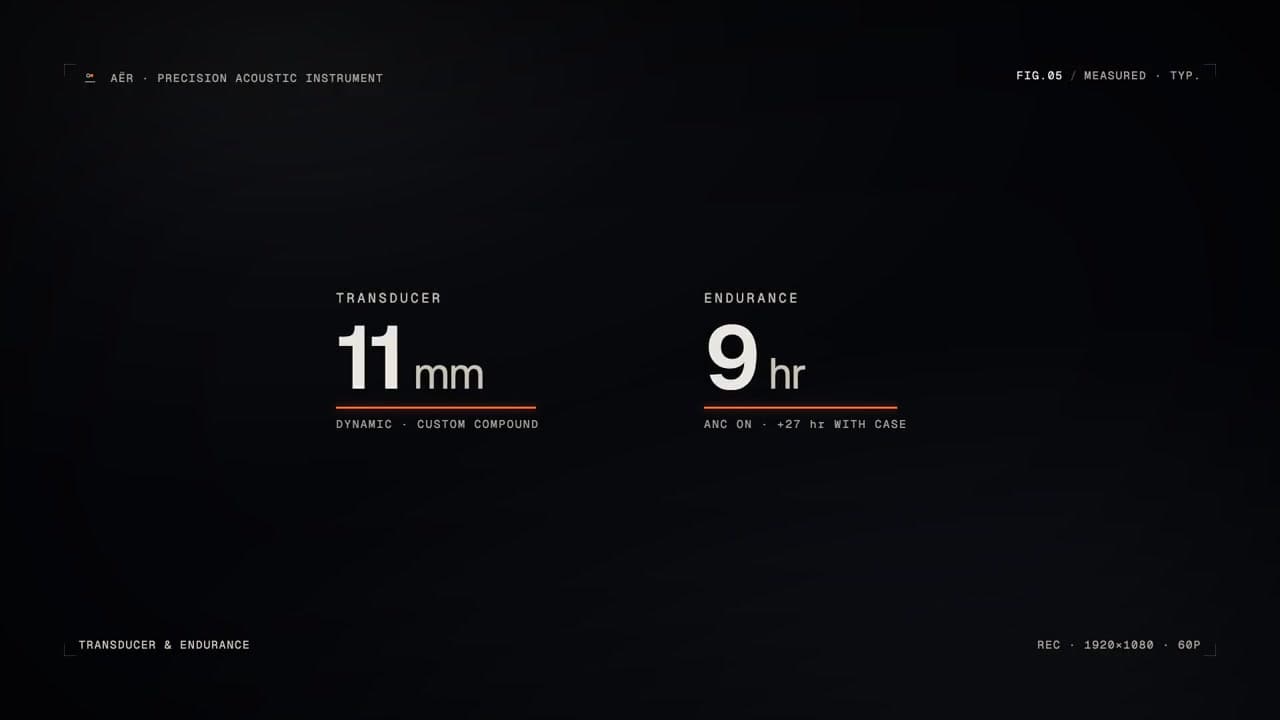
AËR (Concept)
Precision-instrument product reveal + the full brand system from one brief
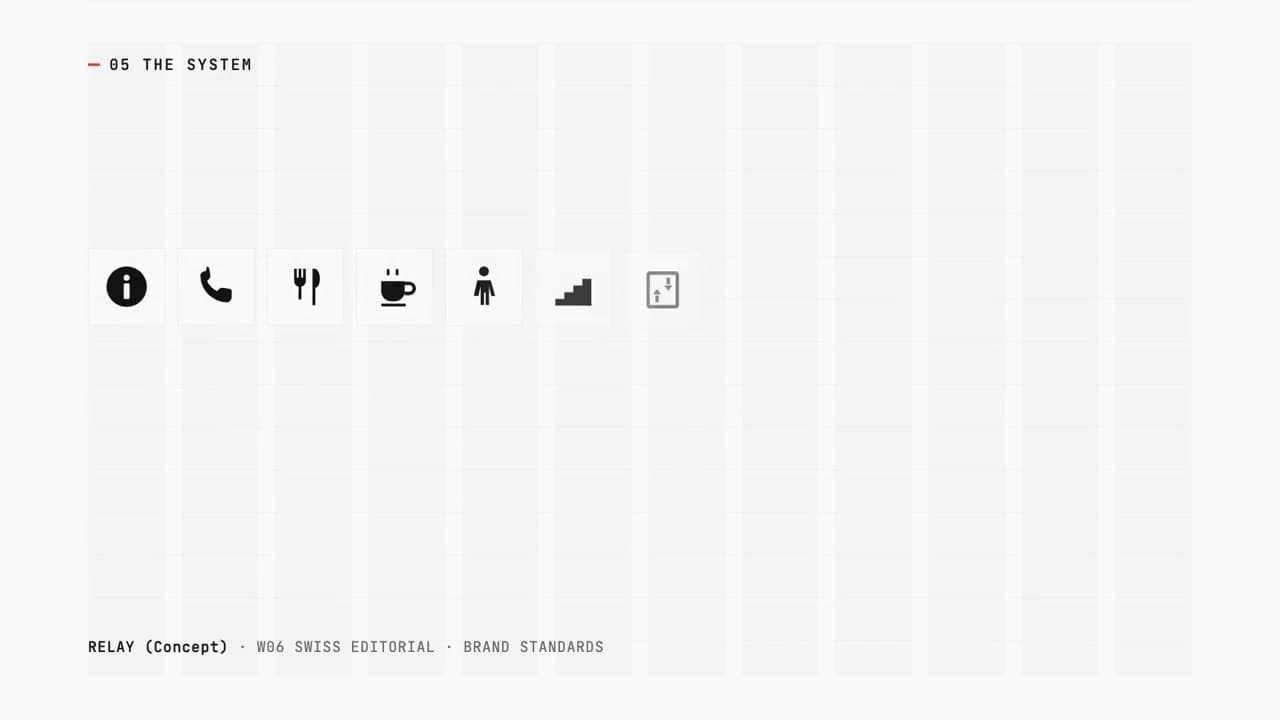
RELAY (Concept)
Brand book, logo and film from one token source
OBSIDIAN (Concept)
Milled-titanium private-vault fintech reveal
MERIDIAN T1 (Concept)
True-3D exploded-assembly turntable