True-3D exploded-assembly turntable
MERIDIAN T1 (Concept)
24 sec · 16:9measured from the file above
The concept behind this luxury brand film
Luxury watch brand film — MERIDIAN T1 reveals a movement the way a watchmaker would: a true 3D exploded assembly on a turntable. Every component is rendered and lit in real depth, then reassembles into the finished movement. This is not a 2.5D parallax trick — it is a real three-dimensional scene, so the camera can orbit the tourbillon and the light behaves correctly across machined metal.
It is the ceiling for how a luxury or precision product can look in motion: macro detail, deliberate pace, the quiet confidence of an object that took years to engineer. The capability transfers to any product whose value lives in its internals — instruments, hardware, jewellery. A self-initiated concept piece, shown as studio spec work.
A luxury watch brand film whose readout names the animation’s own parameter
The piece is filed as numbered plates, and the readout in the top-right corner does something no other film on this site does: it names the variable the animation is driving. The explode plate labels the parameter as running from nothing to full; when the movement comes back together the same readout labels it running the other way. Be accurate about what that is — a label with its endpoints, not a live counter ticking through the values, and a viewer who goes looking for a number that moves will not find one. The caption low on the left carries the component count while the parts are apart, then the same count resolving to a single object as they close. It is a small, slightly nerdy decision and it is exactly right for this audience: a watch buyer is someone who enjoys knowing how a thing is put together, and a film that names its own control value is flattering that instinct instead of hiding the machinery behind atmosphere.
The depth in it is genuine, and it is checkable from a single frame rather than taken on trust. Pause anywhere in the exploded section: the parts nearest the lens are defocused into soft round discs, the ones in the middle of the field are sharp, and the far ones fall away in both scale and light. That is a real depth of field over a real arrangement in space, not a flat scatter with a blur on top. The tourbillon cage is the exception and it is worth naming as one, because it is the sort of thing that reads as a mistake if nobody points at it: the cage renders as a crisp line drawing sitting over everything, exempt from the defocus, with components visible through it and none passing in front. It is a diagram laid on a photograph rather than an object in the scene. That makes it a hybrid of two approaches — the depth is real, the marker is an overlay, exactly the device the orbital programme film is built entirely from. Both are legitimate and they are not the same commission. What should also be said plainly: the components here are machined primitives — toothed wheels, screws, jewels, polished rods — not a modelled reproduction of a real calibre, and nobody should read the exploded view as a parts diagram of an actual movement. The film says as much on its closing plate, which calls the engineering illustrative.
The detail that earns the register is on that closing plate, and it is the kind of thing this audience checks. The head prints a beat rate in hertz beside an alternations-per-hour figure — two ways of stating the same specification — and they agree: multiply the printed frequency out over an hour and you land exactly on the printed count. Getting that right costs one line of arithmetic and no production time. The same plate carries the concept and studio spec-work line along its foot, so on that plate the technical claim and its qualifier share a frame — though the identical beat-rate pair also runs in the head of the opening plate, where no such line is anywhere in shot.
More brand film work from the studio
Blue Snow Developers makes the luxury work here the way it makes everything — by hand, from real material, in one engine. Browse every luxury piece in the portfolio, see how the studio makes brand films, or what the studio makes and how a project runs, or read the studio’s own identity system — the design tokens, type scale and motion rules behind MERIDIAN T1 (Concept) and everything else here. When the brief is clear, talk to us about a brand film.
MERIDIAN T1 (Concept) is filed under luxury. Read next: what a product engineer actually does, the rest of the studio's field notes, and the engineer who builds sites and films.
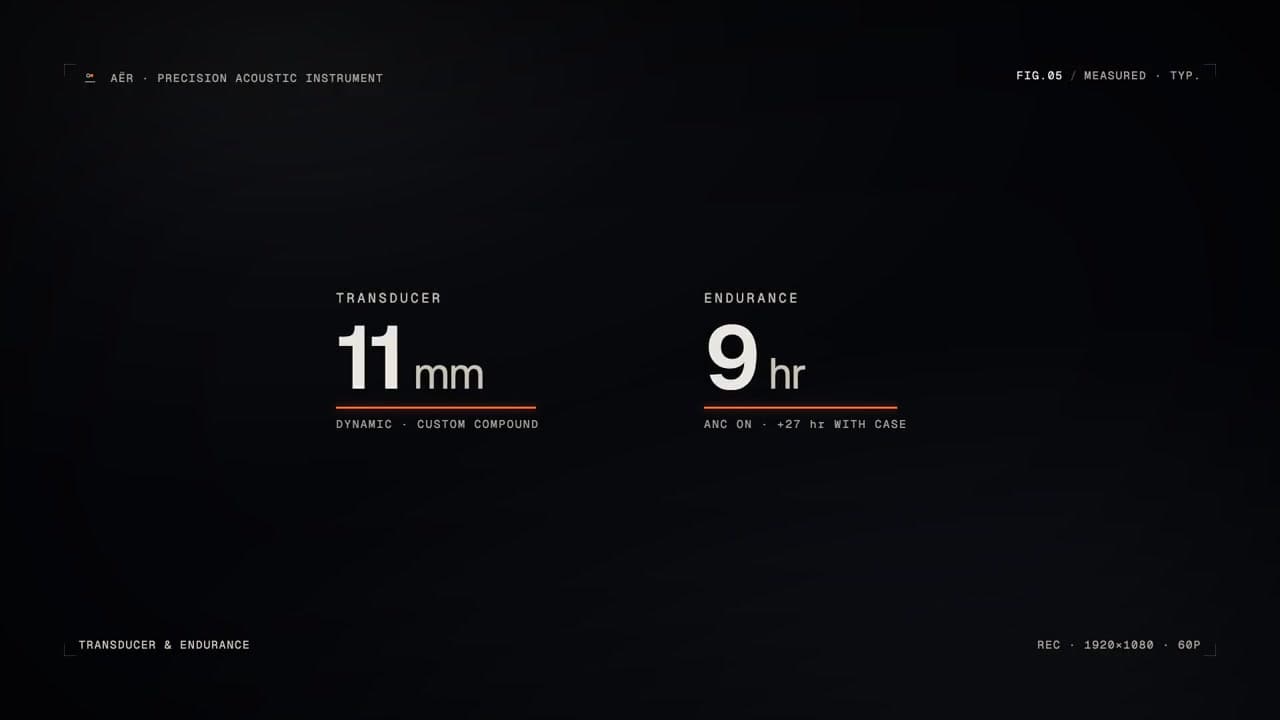
AËR (Concept)
Precision-instrument product reveal + the full brand system from one brief

Pulse Mortgage
Brand promo for a real mortgage client
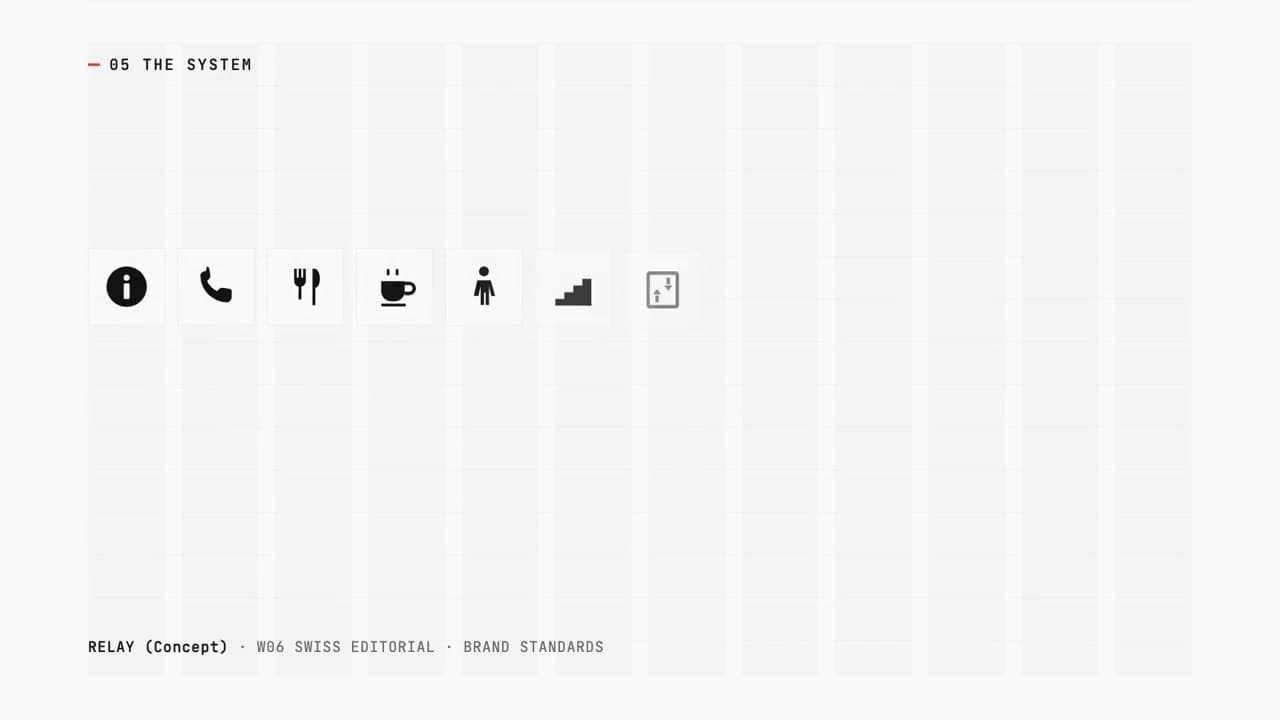
RELAY (Concept)
Brand book, logo and film from one token source

OBSIDIAN (Concept)
Milled-titanium private-vault fintech reveal
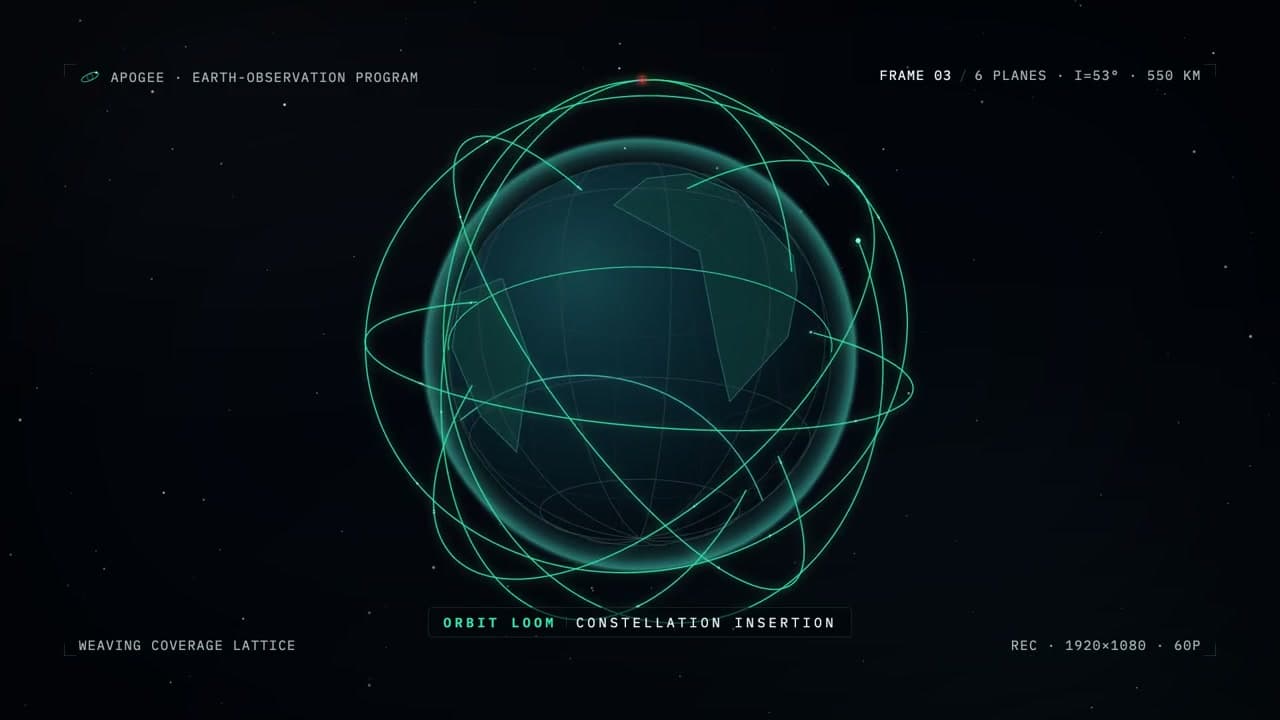
APOGEE (Concept)
True-3D orbital mechanics and ground track
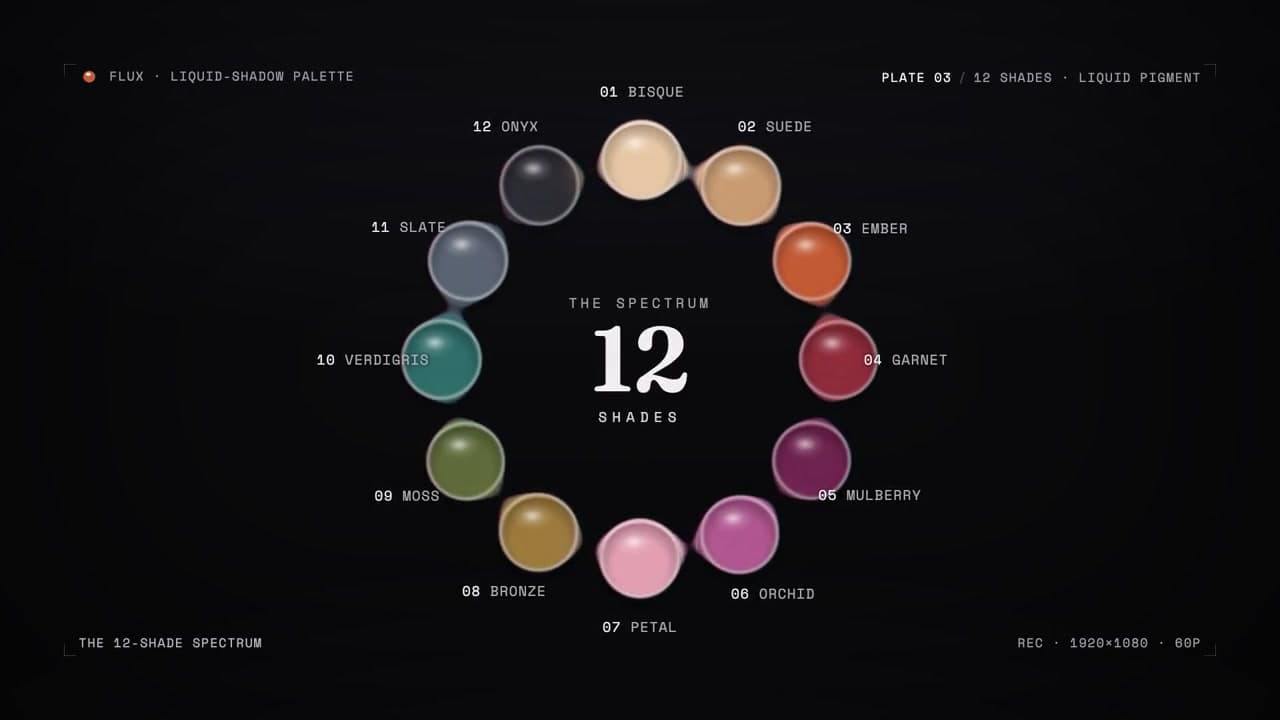
FLUX (Concept)
Liquid-morph cosmetics film