Deliverable · Brand films
Brand film production
The short answer
A brand film sets the ceiling for how a brand looks in motion. Built in code rather than on a shoot, so a product that does not exist yet can still be on screen. 13 brand films here across 10 categories, 1 made for a real client and 12 self-initiated concepts, and no frame is AI-generated.
The one film a brand makes once and then keeps pointing at — built in code and rendered rather than filmed. No crew, no location, no shoot day, and nothing on screen that a generative model invented.
A brand film sets the ceiling everything else is cut to fit under
A commercial sells one thing to one person at one moment. A brand film does the job underneath that one: it establishes the register — how the brand moves, how it holds a silence, what it thinks is worth showing — and then every other piece of film you make gets cut to sit under it. That is why the running time matters far less than the decisions, and why a brand film you could drop another logo into has not earned what it cost.
It is also the piece most likely to be re-used in places nobody planned for — the top of the site, an investor deck, a trade-show loop, a founder's talk. So it is built to survive being re-cut: each ratio composed at its own ratio rather than trimmed down from the wide one, and every source file is yours once it is paid for. What the studio makes and how a project runs covers where a brand film sits against a promo, an explainer, a promo, ad creative or an identity system.
13 brand films — and the one made for a real client
The film at the top of this page is the one built for a real client: a brand promo for Pulse Mortgage, a real lender we delivered it to. Everything below is self-initiated studio work for brands that do not exist — 12 of them — and every one carries (Concept) in its title, including the name a screen reader announces, so the label is never something only sighted visitors get. A portfolio wall of confident-looking brands is the easiest place on a studio site to imply a client list, so the split here is the layout rather than a caption you could skim past.
Concept work is worth showing on its own terms — it is where a studio proves range without waiting for a client to ask for it — but it proves craft, not demand. Both are on the full portfolio, filterable by industry, deliverable and format, labelled the same way.
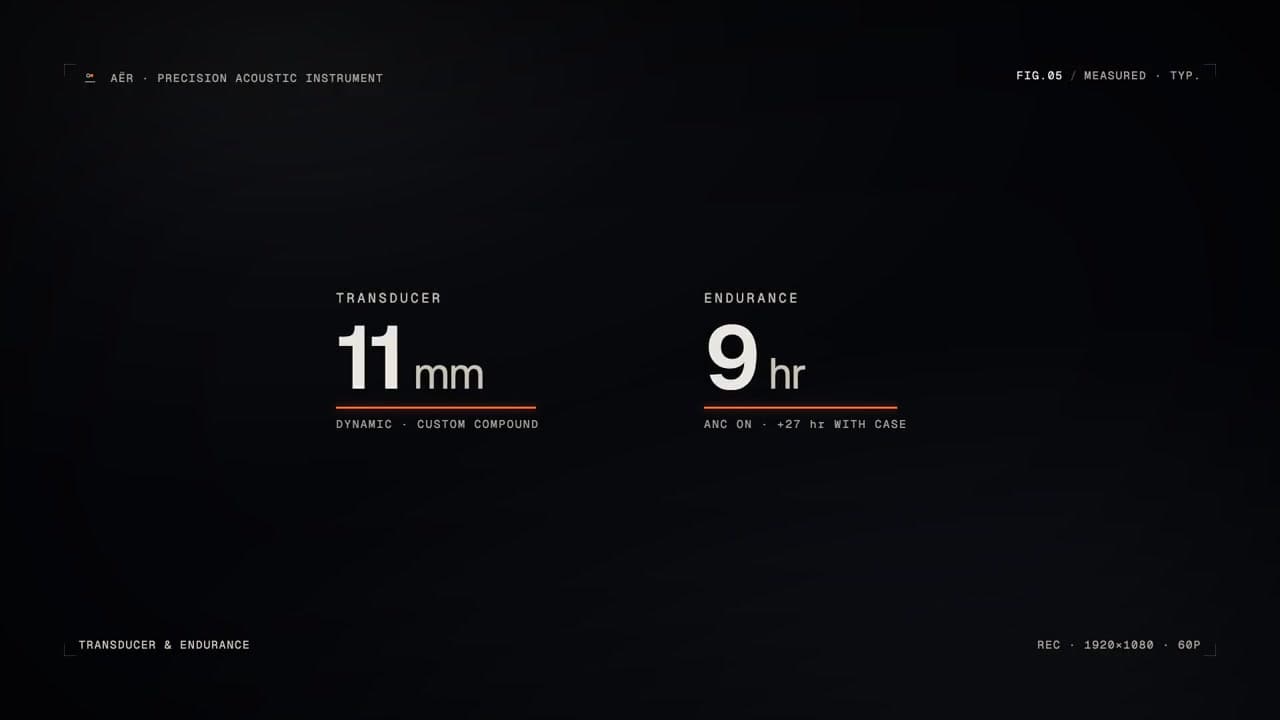
AËR (Concept)
Luxury · Precision-instrument product reveal + the full brand system from one brief
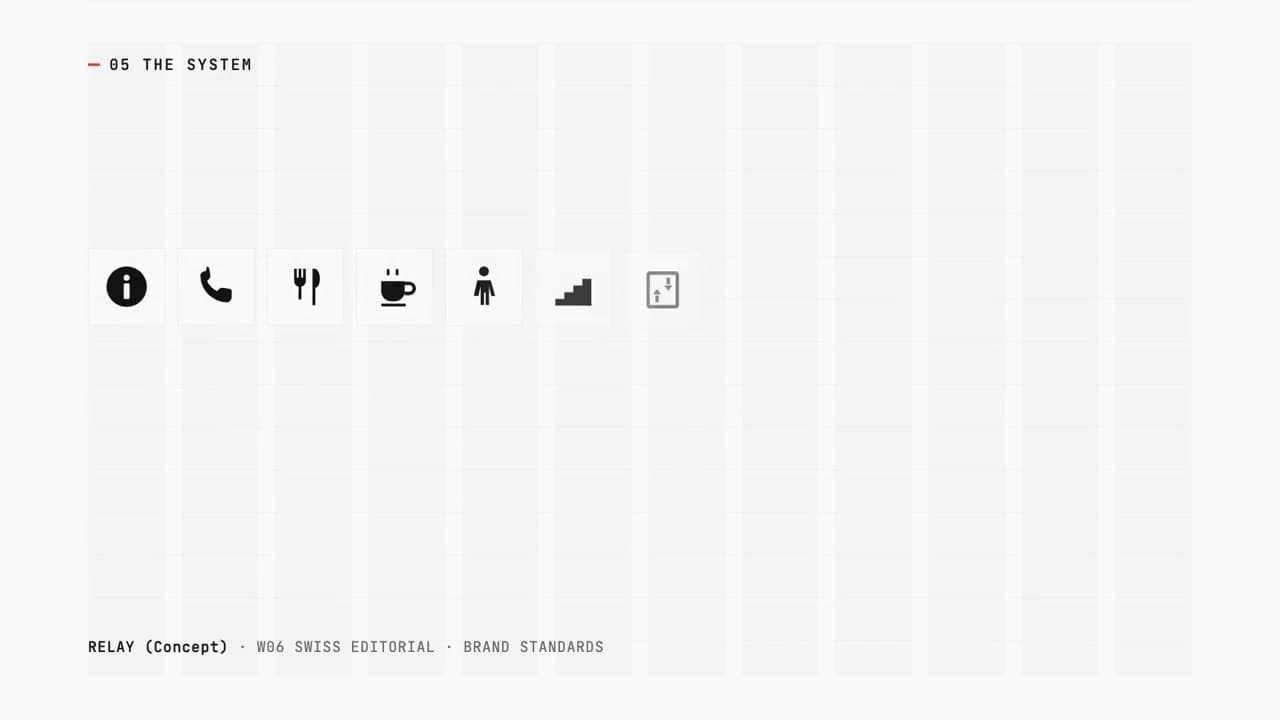
RELAY (Concept)
SaaS & tech · Brand book, logo and film from one token source
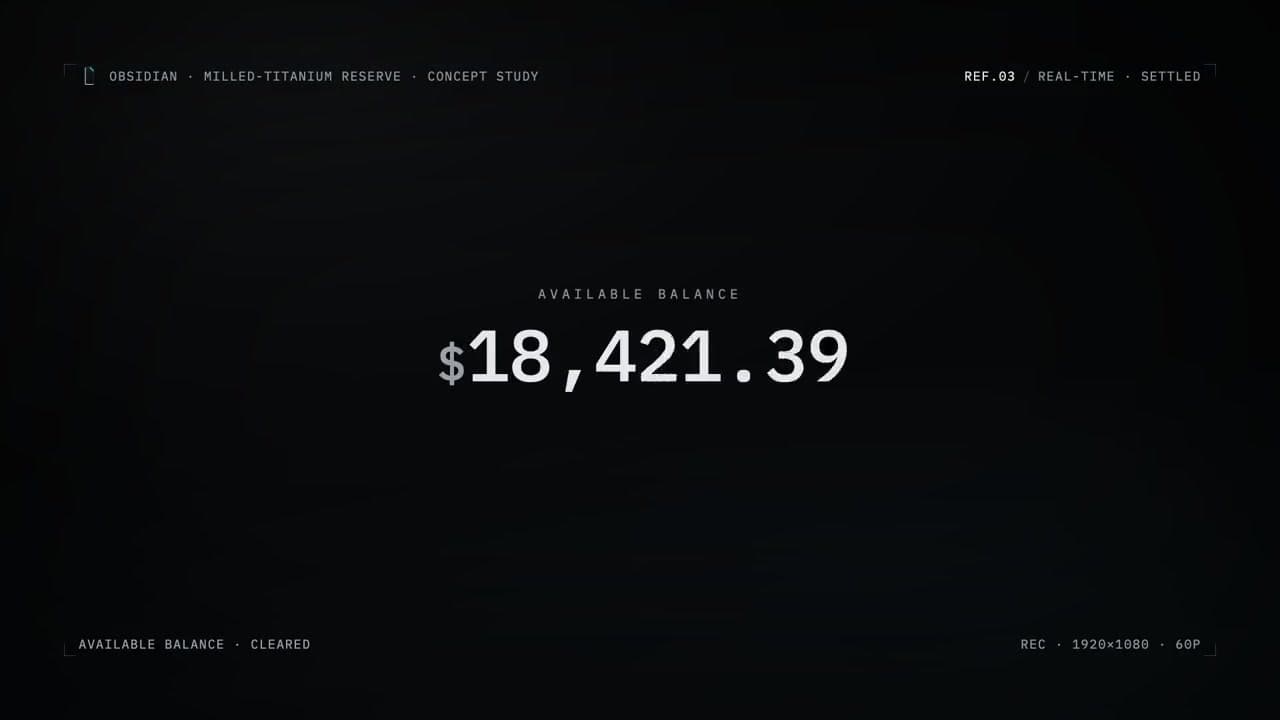
OBSIDIAN (Concept)
Finance · Milled-titanium private-vault fintech reveal
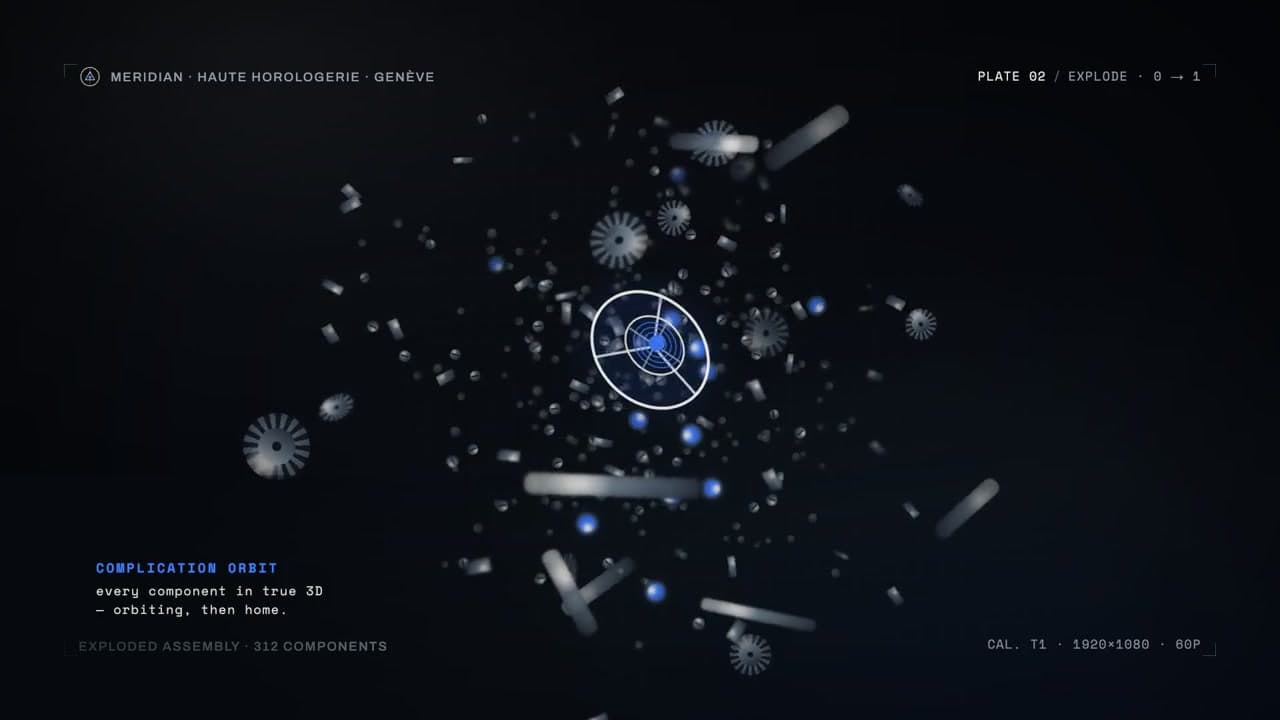
MERIDIAN T1 (Concept)
Luxury · True-3D exploded-assembly turntable
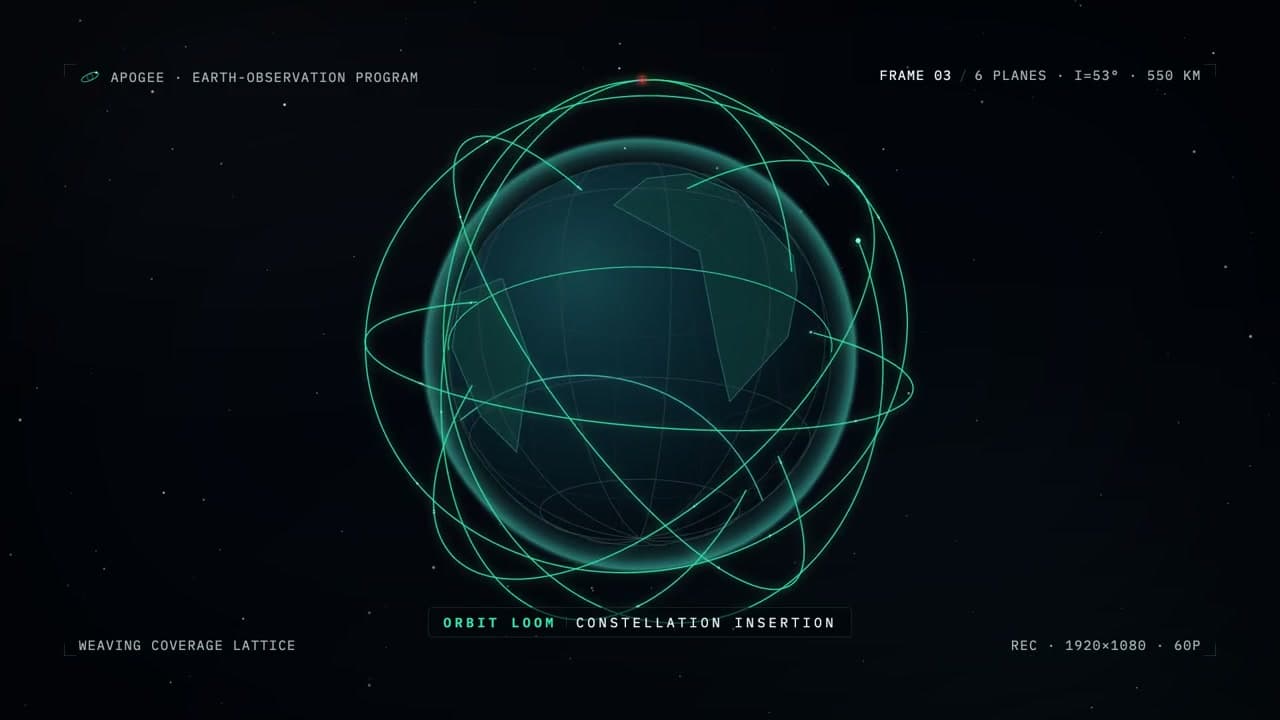
APOGEE (Concept)
Space & deep-tech · True-3D orbital mechanics and ground track
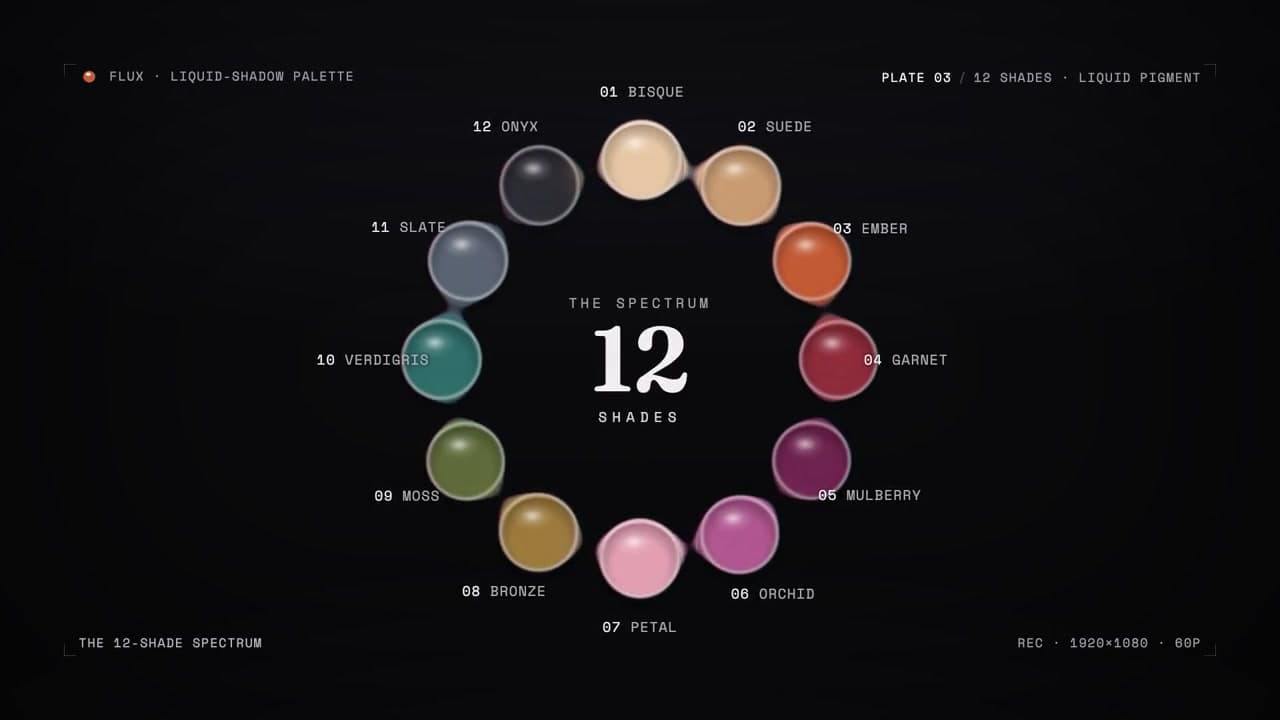
FLUX (Concept)
DTC & e-commerce · Liquid-morph cosmetics film
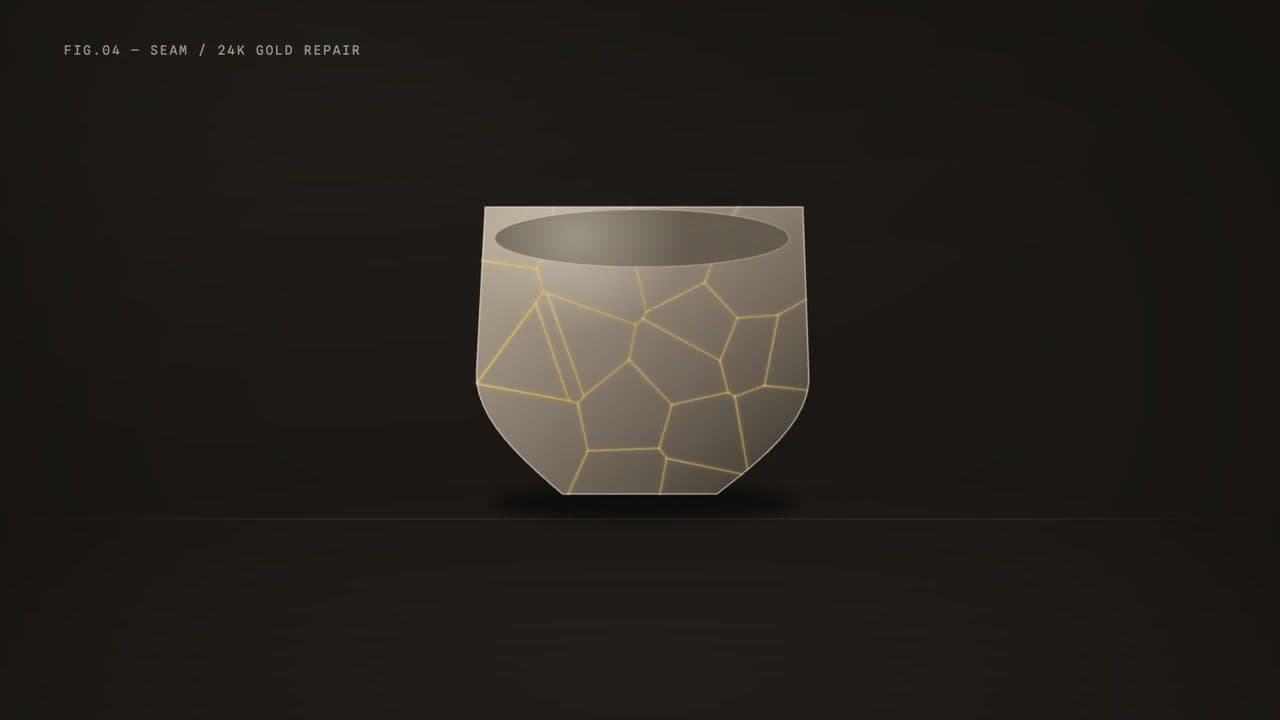
SHARD & SEAM (Concept)
Craft & maker · Heritage brand film — procedural fracture, gold-seam repair
Cadence (Concept)
SaaS & tech · B2B-SaaS operations-room data UI
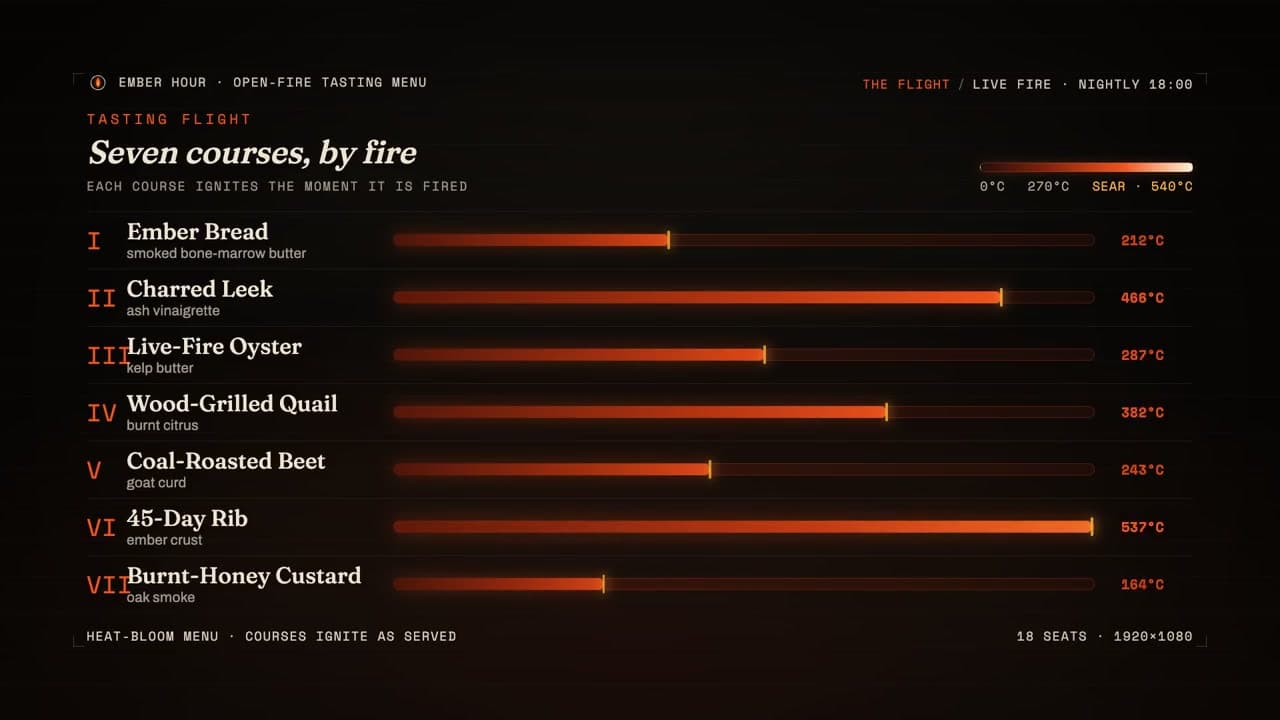
EMBER HOUR (Concept)
Food & beverage · Open-fire hospitality tasting-menu film
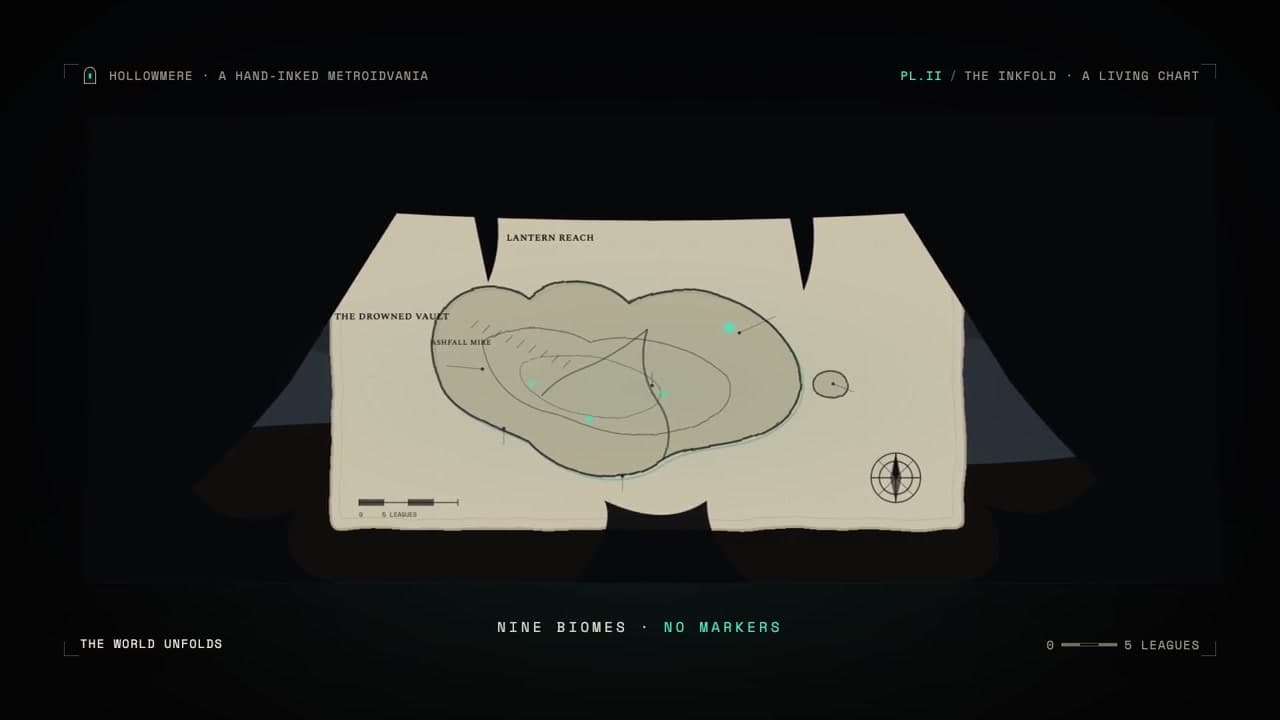
HOLLOWMERE (Concept)
Games · Ink-style game reveal trailer and key art for an indie title, drawn in code
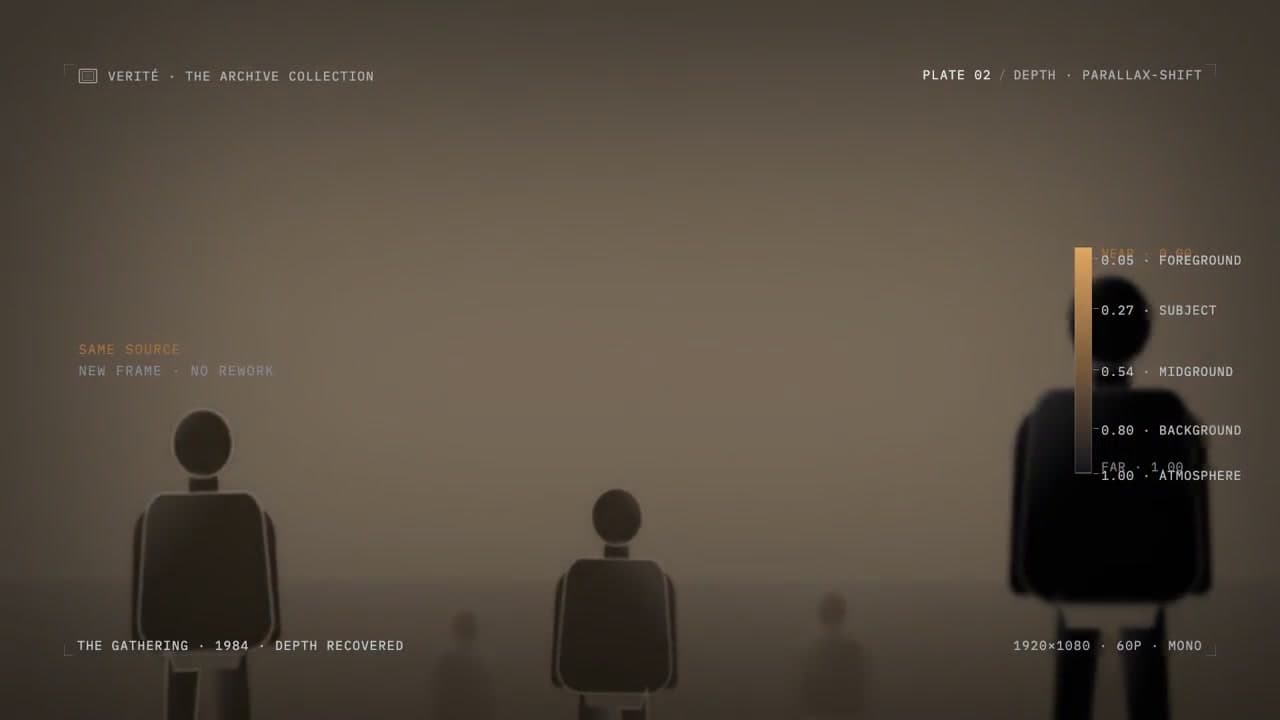
VERITÉ (Concept)
Streaming & doc · Depth-from-image 2.5D dolly (named depth planes → parallax + DOF)
Northwoods Roastery (Concept)
DTC & e-commerce · Full coffee-brand film — warmth and tactility, engineered underneath
Why none of them look alike
The grid above is the argument. It is the part of this page you do not have to take our word for: 9 categories among the concept films on the wall, and no two of them share a palette, a pace or a type system. OBSIDIAN (Concept) is milled titanium and banking-grade restraint — money that does not need to shout. SHARD & SEAM (Concept) fractures a vessel along a procedural break and reassembles it with gold seams, so the damage becomes the brand. HOLLOWMERE (Concept) is hand-inked and made to sell a game. Same engine underneath, no shared look on top.
That is a deliberate constraint rather than a happy accident: the engineering is reused and the appearance never is, because a studio whose films all look alike is selling you its own house style with your logo on it. The look comes from your material — your colours, your type, your product, your figures. Where the subject is money specifically, the finance and fintech work is collected on its own page, and where it is charts and maps rather than a hero film, that is the data-driven video specialty.
Built in code, not filmed — and where the pictures come from
Nothing here was shot on a set. There is no crew, no location and no shoot day, which changes what is possible more than it changes what it costs: a product that is not manufactured yet can be on screen, a change to one figure re-renders the film instead of restarting it, and the same build produces the same film twice. It also keeps the whole project with one person: there is no call sheet, so nobody sits between you and the build.
Two of the thirteen begin from a photograph rather than from nothing, and it is worth being exact about which. Northwoods Roastery (Concept) is built on three still plates from a library that requires no attribution, recorded in the project with their photo IDs and a curation rule — candidate images carrying a real third-party brand mark were rejected. VERITÉ (Concept) takes a single flat still and separates it into depth layers so a camera can move through it. Everything else on this page is drawn.
Where the studio holds a film's project files, its music and sound effects are logged the same way — the source, the licence and a standing rule against tracks that would require an on-screen credit on client work. That record exists for the client projects; several of the older concept films predate it, and where there is no record this page does not invent one. None of it is visible on screen, which is the point: it is what a brand's reviewer asks for after they have already said yes.
And nothing here is AI-generated — not the footage, not the type, not the transitions. That anti-claim is on every page of this site rather than only where it flatters us, and the one engineer who writes the code and cuts the frames is the reason it is checkable rather than a promise.
What ships with a brand film
A cut is laid out for the shape it ships in rather than squeezed into it, and the library carries the proof either way — AËR’s vertical cut (Concept) is a genuine phone-first build and RELAY’s square (Concept) re-composes rather than crops, with the type reflowing to fit it. The operations-room film (Concept) has a native square build too: its chrome re-lays inside the narrower frame and it prints its own square dimensions.
Where an engagement covers the identity as well, the film, the mark and the brand book come from one token source, which is what keeps a brand book and a film from drifting apart. AËR (Concept) ships a film, a logo and the full system from a single brief, and RELAY (Concept) exists specifically to prove the one-source claim. The studio runs its own identity system the same way and publishes the whole thing, tokens included, so you can see the deliverable before you commission one. The identity side of that has its own page — how the studio builds logo animations and motion identities.
How a brand-film project runs
You brief it in plain language and send the raw material — brand, product, type, colours, and any figures that have to be exact. We design how it moves, build it as code, and deliver every ratio from one production. Because there is no shoot, a revision is a re-render rather than a re-book, and because there is no account layer, the person reading your brief is the person building the film. When there is a real project, tell us what you are making — it goes to the founder directly.
If you would rather judge the craft than read about it, the free sample below puts your own brand in this studio’s hands before any conversation. The field notes are where the engineering behind all of this gets written down.
Every brand film in the library, measured
Everything above is checkable against the films themselves. This is the whole brand-film shelf at Blue Snow Developers — the world each was built for, the ratios that were actually delivered, and how long each one runs. Runtimes are read off the encoded file this site serves you rather than off a master you would have to take on trust, the one real client is marked as such, and every concept piece carries its label.
Scroll the table sideways for runtime and origin
| Film | Sector | Ratios delivered | Runtime | Origin |
|---|---|---|---|---|
| Pulse Mortgage | Finance | 16:9 | 29 sec | Real client |
| AËR (Concept) | Luxury | 16:9 · 9:16 · 1:1 | 24 sec | Studio concept |
| RELAY (Concept) | SaaS & tech | 16:9 · 1:1 | 36 sec | Studio concept |
| OBSIDIAN (Concept) | Finance | 16:9 | 24 sec | Studio concept |
| MERIDIAN T1 (Concept) | Luxury | 16:9 | 24 sec | Studio concept |
| APOGEE (Concept) | Space & deep-tech | 16:9 | 24 sec | Studio concept |
| FLUX (Concept) | DTC & e-commerce | 16:9 | 24 sec | Studio concept |
| SHARD & SEAM (Concept) | Craft & maker | 16:9 | 13 sec | Studio concept |
| Cadence (Concept) | SaaS & tech | 16:9 · 1:1 | 24 sec | Studio concept |
| EMBER HOUR (Concept) | Food & beverage | 16:9 | 24 sec | Studio concept |
| HOLLOWMERE (Concept) | Games | 16:9 | 24 sec | Studio concept |
| VERITÉ (Concept) | Streaming & doc | 16:9 | 24 sec | Studio concept |
| Northwoods Roastery (Concept) | DTC & e-commerce | 16:9 | 28 sec | Studio concept |
What brands ask before commissioning a film
Are these real clients, or is this a portfolio of concepts?
Both, and the page marks which is which on every tile rather than leaving you to guess. One brand film here was built and delivered for a real client, a mortgage lender named on the piece. Every other film on the page is self-initiated studio concept work for a brand that does not exist, and each one carries "(Concept)" in its title everywhere it appears — on the tile, in the page title, in the share preview and in the alt text a screen reader announces. A studio that blurs that line is selling you someone else’s confidence.
What is a brand film, and how is it different from a commercial?
A commercial sells a specific thing to a specific person at a specific moment. A brand film sets the ceiling for how the brand looks and moves, and everything else is cut to sit under it — the launch promo, the social edits, the key art. It is the piece you make once and spend two years referring back to, which is why the register matters more than the running time.
Do you need a shoot, a crew or existing footage?
No — you do not have to shoot anything, and neither do we. These films are built in code and rendered rather than filmed, so there is no crew, no location and no shoot day, and a product that is not manufactured yet can still be on screen. Two films on this page do begin from photography, both licensed: the coffee film is built on three still plates recorded with their source IDs, and the documentary piece takes a single flat still and separates it into depth layers. Everything else — the motion, type, charts and transitions — is drawn rather than captured.
Is any of it AI-generated?
Nothing you SEE is. No generative image or video model draws a frame of these films — no AI footage, no AI frames, no generated imagery of any kind. Every frame is a real component rendered deterministically, which means the same build produces the same film twice and nothing can appear on screen that was not put there on purpose. One thing IS synthetic and it is worth naming rather than leaving for you to find: the narration on the films that carry a voice is rendered by a text-to-speech model rather than spoken by a person, and no voice is cloned from anyone. It is the studio’s anti-claim, and it is stated on every page rather than only where it flatters us.
Will our brand film look like the others in your portfolio?
It should not, and the portfolio is the argument. The engineering is reused and the look never is: a milled-titanium fintech reveal, a gold-seam ceramics film and an open-fire restaurant film came out of the same studio without sharing a palette, a pace or a type system. Each one is built from your material — your colours, your type, your product, your data — so the shared thing between them is the method, not the appearance.
What do we get when a brand film is delivered?
The film in the ratios you need, each composed at its own ratio from the same build rather than re-edited afterwards, so a vertical cut is built for the phone rather than trimmed down to it. One older square cut in the published library is a centre-crop rather than a re-composition, and it is named as such on this page rather than left for you to find. Where an engagement covers the identity as well, the logo, palette, type scale and motion rules come from the same token source as the film, which is what keeps a brand book and a film from drifting apart.
Can you make the brand identity as well as the film?
Yes. AËR (Concept) delivers a film, a mark and a full brand book from a single brief, and RELAY (Concept) exists to prove the point — its brand book prints the same token values the film is rendered from, so the two cannot quietly disagree. Both are self-initiated concept work rather than client engagements. The studio runs its own identity the same way and publishes it in full.
Judge the craft on your own brand
A wall of concept films shows the method. The thing you actually want to know is how your own name behaves in that treatment. Name the brand, point at the site, say what you would want to see — and when the schedule has room, a watermarked test gets cut in your colours and your type. No brief to write, and nothing to sign.
Written by Baljeet Aulakh, who builds every film in this portfolio. Last updated . No AI-generated frames.